Medical Gastroenterology
Hepatology in Vijayawada
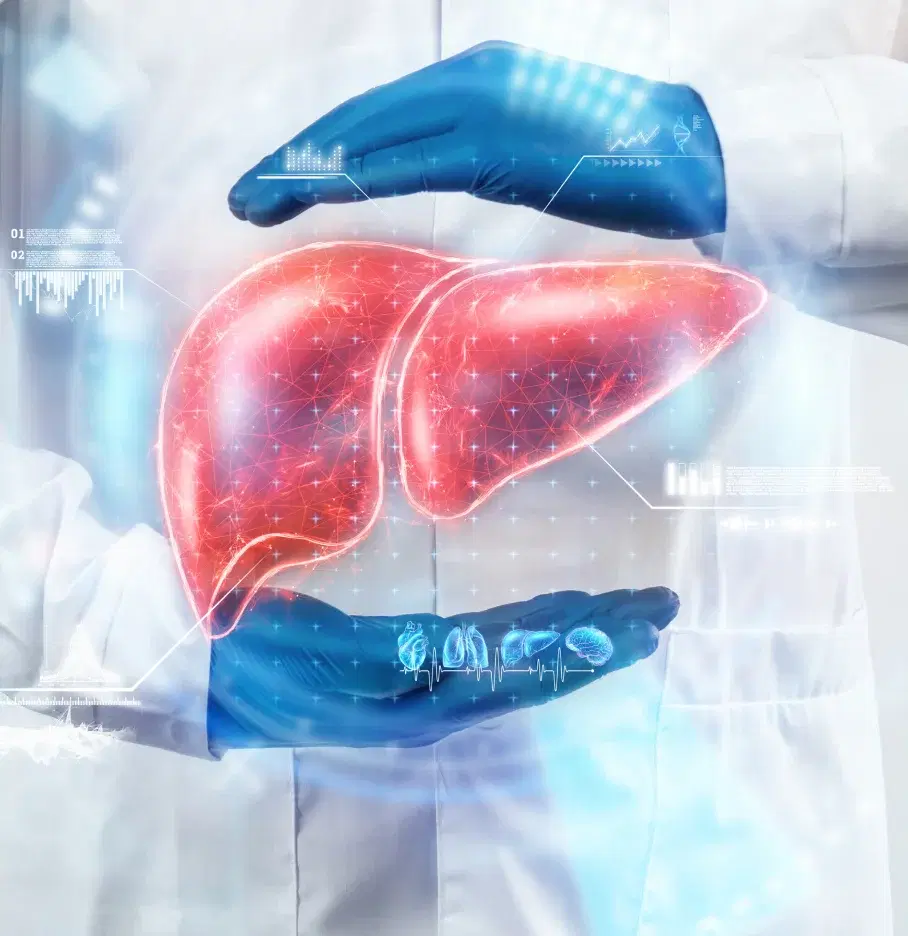
Hepatology focuses on diagnosing and treating diseases of the liver, gall bladder, and bile ducts. At Vijayawada Gastro Centre, our expert hepatologists provide comprehensive care for conditions such as hepatitis, fatty liver disease, cirrhosis, liver tumors, and biliary disorders. Using advanced imaging, endoscopy, FibroScan, and laboratory evaluation, we ensure accurate assessment and timely treatment. Our personalized approach includes medical management, nutritional guidance, and minimally invasive procedures when required. With modern facilities, experienced specialists, and compassionate care, we offer effective and advanced hepatology services to support long-term liver health for patients in Vijayawada.
Inflammatory Bowel Disease (IBD)in Vijayawada
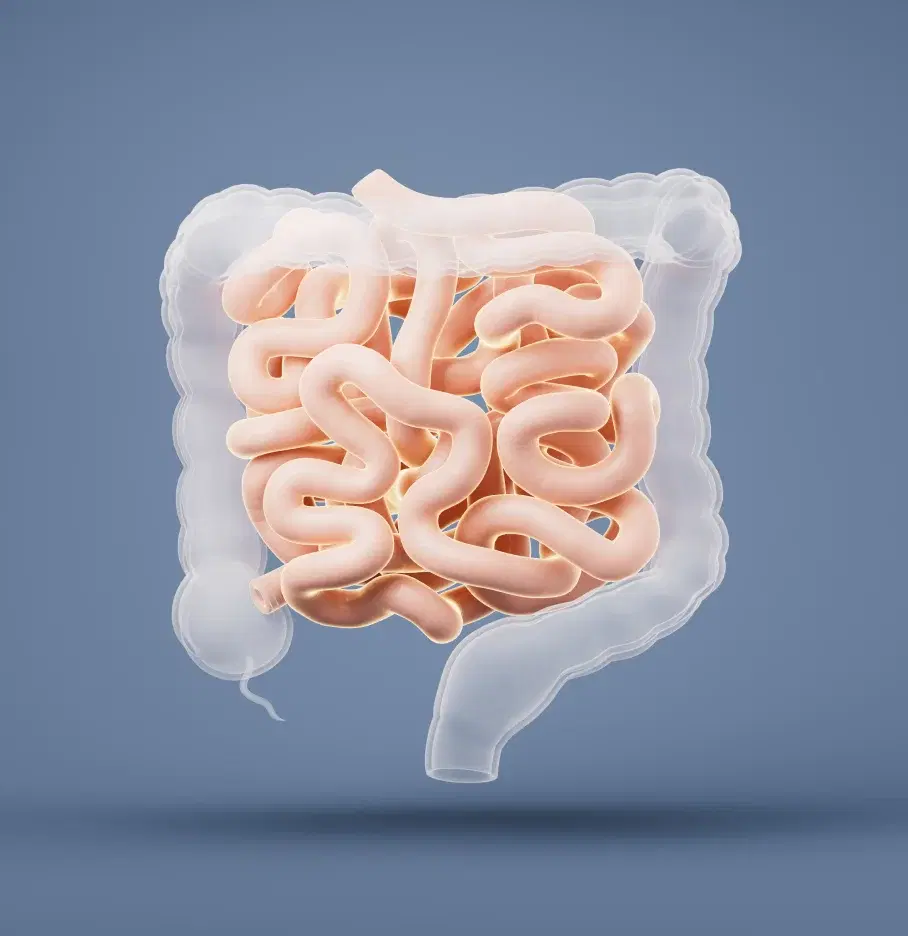
The IBD subspecialty focuses on chronic inflammatory diseases of the digestive tract, including Crohn’s disease and ulcerative colitis. Our expert gastroenterologists provide comprehensive, long-term care tailored to each patient’s needs. Key procedures include colonoscopy with biopsy, small bowel capsule endoscopy, and the administration of advanced biologic therapies. Using high-definition endoscopy, chromoendoscopy, and therapeutic drug monitoring, we ensure accurate diagnosis and effective treatment. Our approach emphasizes improving quality of life, preventing complications, and managing issues such as strictures and fistulas. We also offer nutritional counseling, recognizing the vital role of diet in controlling symptoms and supporting overall health.
Endoscopy in Vijayawada
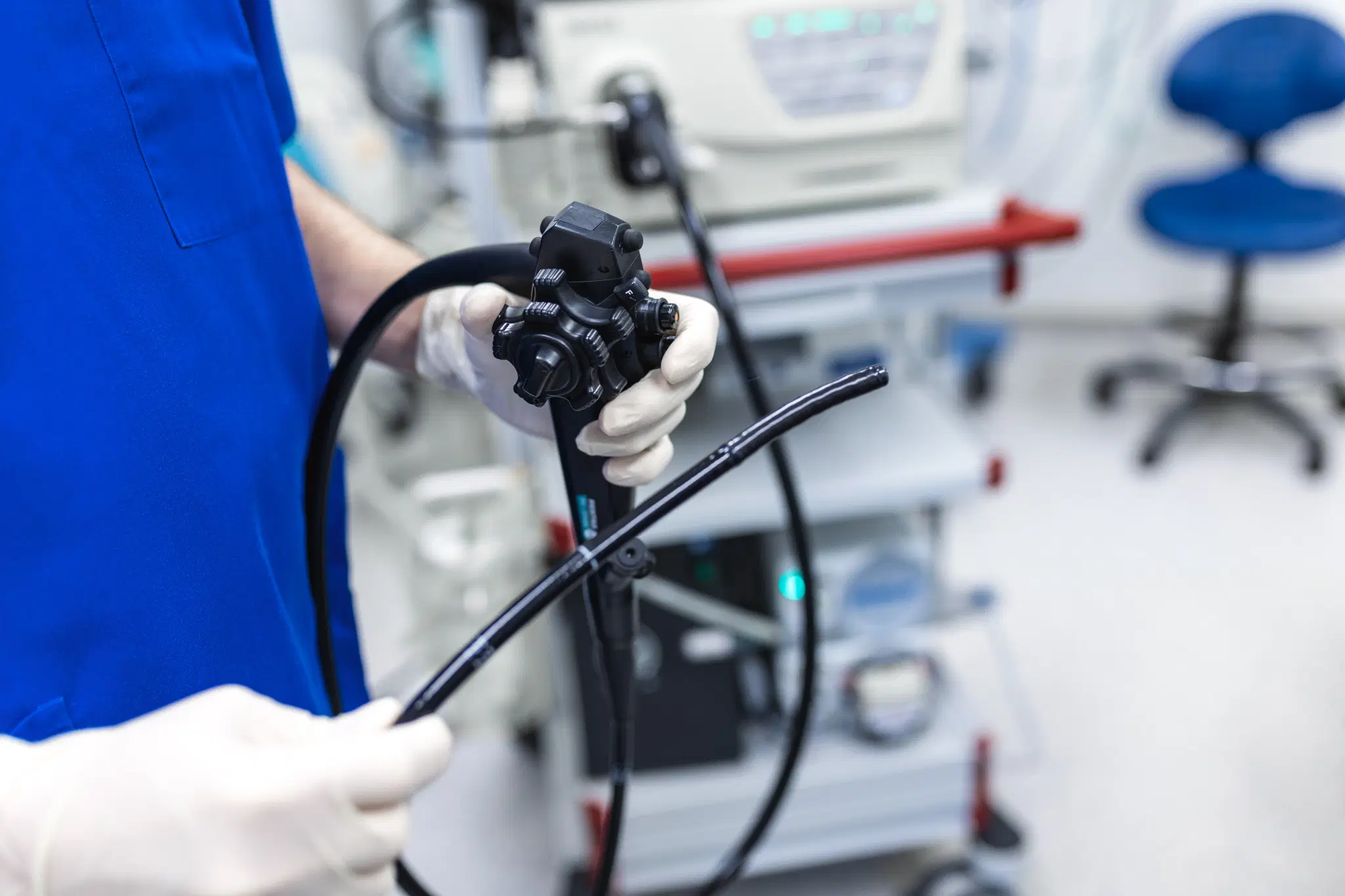
Endoscopy is a minimally invasive diagnostic procedure used to examine the digestive tract with a high-definition flexible camera. At Vijayawada Gastro Centre, our expert gastroenterologists perform advanced endoscopic evaluations to diagnose conditions such as gastritis, ulcers, acid reflux, swallowing difficulties, and gastrointestinal bleeding. We offer both upper GI endoscopy and colonoscopy, ensuring accurate detection and timely treatment. With state-of-the-art equipment, sedation for comfort, and strict safety protocols, we provide a smooth, painless, and reliable experience. Our personalized approach ensures early diagnosis, better outcomes, and comprehensive care for all your digestive health needs in Vijayawada.
Neuro Gastroenterology in Vijayawada
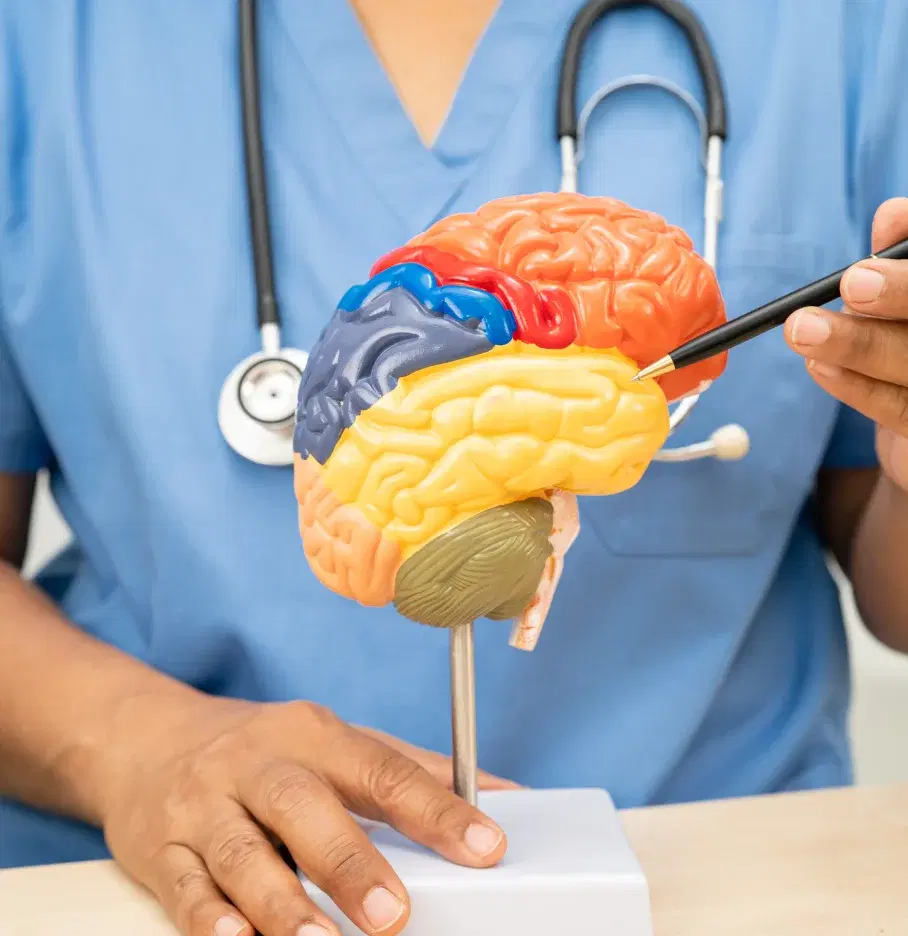
Neuro Gastroenterology focuses on disorders related to the interaction between the brain, nerves, and digestive system. At Vijayawada Gastro Centre, our specialists diagnose and treat complex motility and functional GI conditions such as IBS, chronic constipation, gastroparesis, esophageal motility disorders, and functional abdominal pain. Using advanced tests like manometry, pH monitoring, gastric emptying studies, and high-resolution imaging, we ensure precise evaluation. Our personalized treatment approach includes medication, diet modification, behavioral therapy, and nerve-targeted interventions. With expert care and modern facilities, we provide comprehensive and compassionate management for neuro-gastrointestinal disorders in Vijayawada.
Pancreatology in Vijayawada
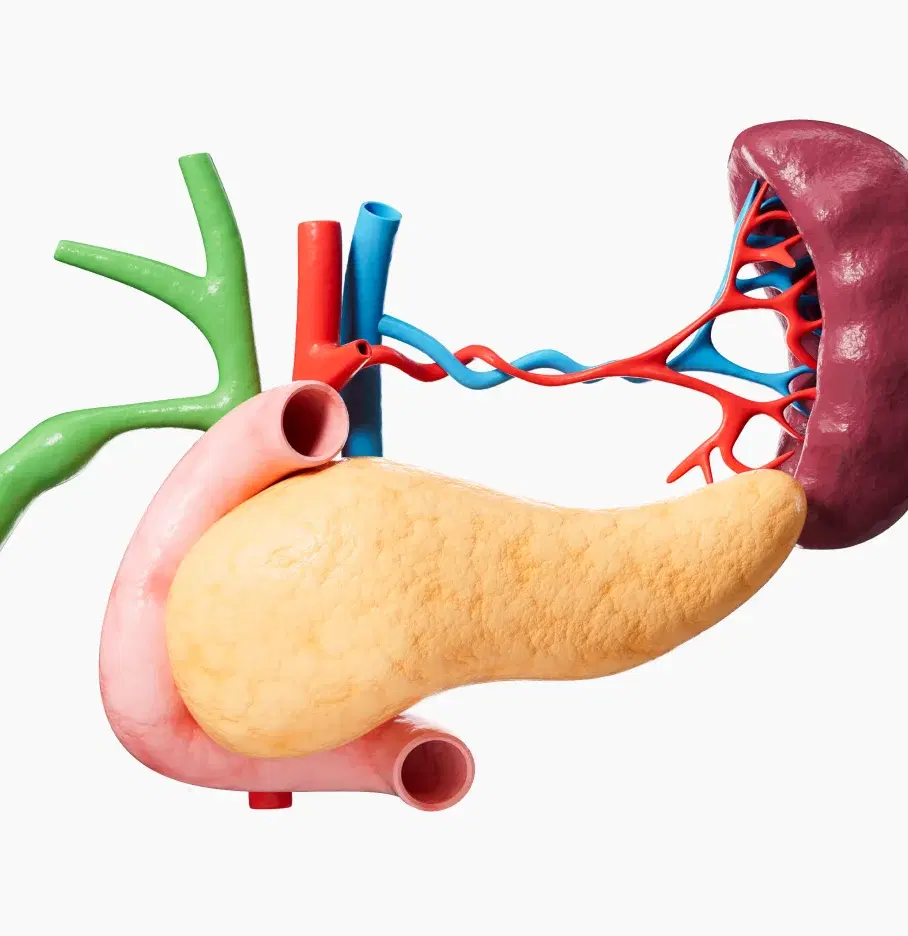
Pancreatology focuses on diagnosing and treating disorders of the pancreas, including pancreatitis, pancreatic cysts, pancreatic insufficiency, and pancreatic cancer. At Vijayawada Gastro Centre, our expert specialists use advanced diagnostic tools such as endoscopic ultrasound (EUS), CT scans, MRI, and pancreatic function tests to ensure accurate evaluation. We provide comprehensive treatment plans that include medical management, endoscopic procedures, minimally invasive surgery, and nutritional support. With a patient-centered approach, modern technology, and experienced pancreatology experts, we offer effective, safe, and compassionate care for all pancreatic conditions in Vijayawada — ensuring better outcomes and long-term digestive health.
Frequently Asked Questions (FAQs)
A medical gastroenterologist diagnoses and treats disorders of the digestive system (esophagus, stomach, intestines), liver, and pancreas. They perform diagnostic tests like endoscopy, colonoscopy, and manage conditions medically (without surgery).
If you have persistent abdominal pain, bloating, heartburn, acid reflux, difficulty swallowing, rectal bleeding, chronic diarrhea or constipation, or unexplained weight loss. Also, for liver-related symptoms (jaundice, swelling), or after abnormal blood tests.
Gastroesophageal reflux disease (GERD)
Peptic ulcers (sometimes due to H. pylori)
Inflammatory bowel disease (IBD), irritable bowel syndrome (IBS)
Liver conditions like fatty liver disease, cirrhosis, hepatitis
Colorectal polyps, early GI cancers.
Upper GI endoscopy (esophagogastroduodenoscopy) to look at esophagus, stomach, duodenum.
Colonoscopy for colon/large intestine.
Capsule endoscopy sometimes.
EUS (Endoscopic Ultrasound) for deeper imaging or biopsy.
Functional tests like 24-hour pH monitoring, esophageal manometry.
Breath tests (like hydrogen breath test) for small intestinal bacterial overgrowth (SIBO) or lactose intolerance.
Most endoscopic procedures (like endoscopy or colonoscopy) are done under sedation, so discomfort is minimal.
Preparation (like bowel cleansing) may be uncomfortable but is manageable.
Follow the diet restrictions advised by your doctor.
For colonoscopy, bowel preparation (laxatives) will be needed.
Inform your doctor about all medications, especially blood thinners.
Arrange for someone to take you home if sedation is used
Depends on risk factors: family history, age, prior polyps. (In general, regular screening is recommended.)
Your gastroenterologist will advise based on your personal risk.
Yes — diet modification is often part of treatment. For example, increasing fiber, avoiding trigger foods, reducing fatty/spicy foods, maintaining hydration. Nutrition counselling may be offered.
Risks depend on the procedure: bleeding, perforation (rare), infection.
Sedation also carries some risk.
Long-term medications (e.g., proton pump inhibitors) may have side effects and should be monitored.
Yes. Regular exercise, a balanced diet, reducing stress, quitting smoking, reducing alcohol, maintaining healthy weight all help.
Follow-up with your gastroenterologist for personalized advice.
Yes, especially for complex diagnoses, cancer, or when surgery is being considered. A second opinion can help confirm diagnosis and explore all options.
Costs vary widely depending on the test or treatment. Many hospitals accept health insurance; check with your provider and hospital. For government scheme coverage, check relevant state and central health-insurance schemes.